7 October 2026
الريف للحوم
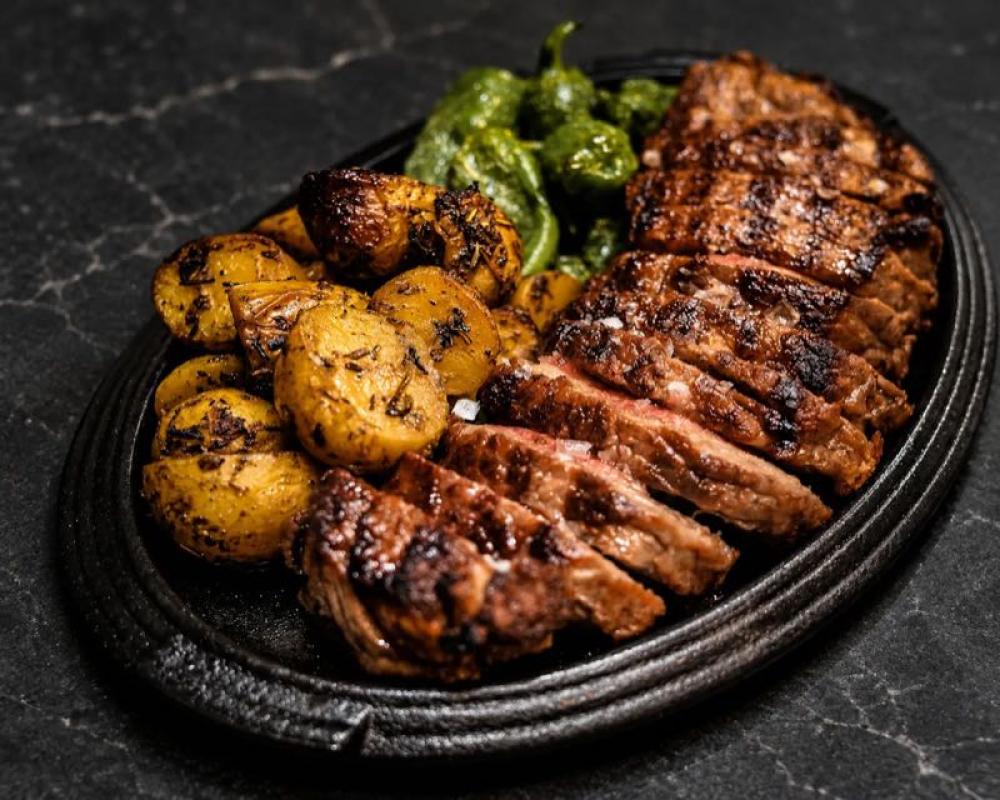
Separate steak texture preferences from safe cooking limits, measure the thickest centre and account for product prepara...
7 October 2026
الريف للحوم
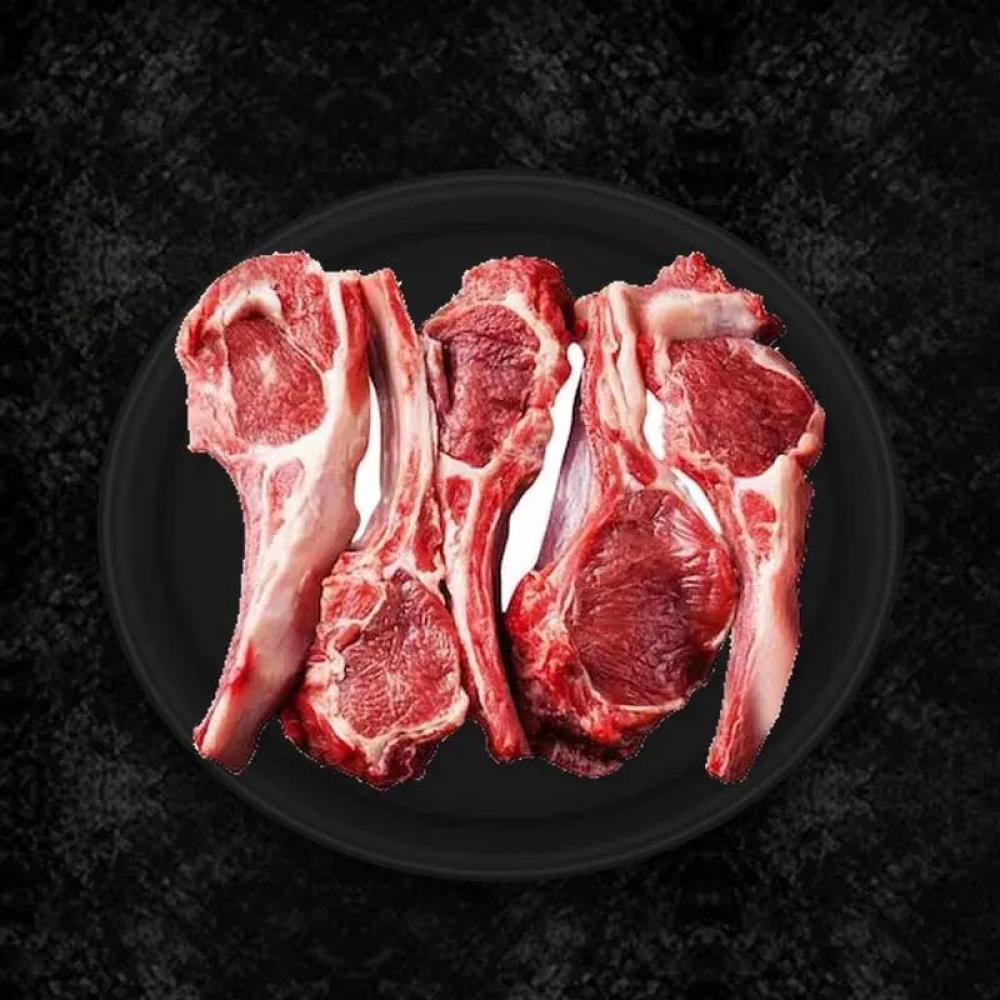
Thaw steak in the fridge, cold water or microwave as appropriate, keeping surfaces safe and cooking promptly when requir...
7 October 2026
الريف للحوم
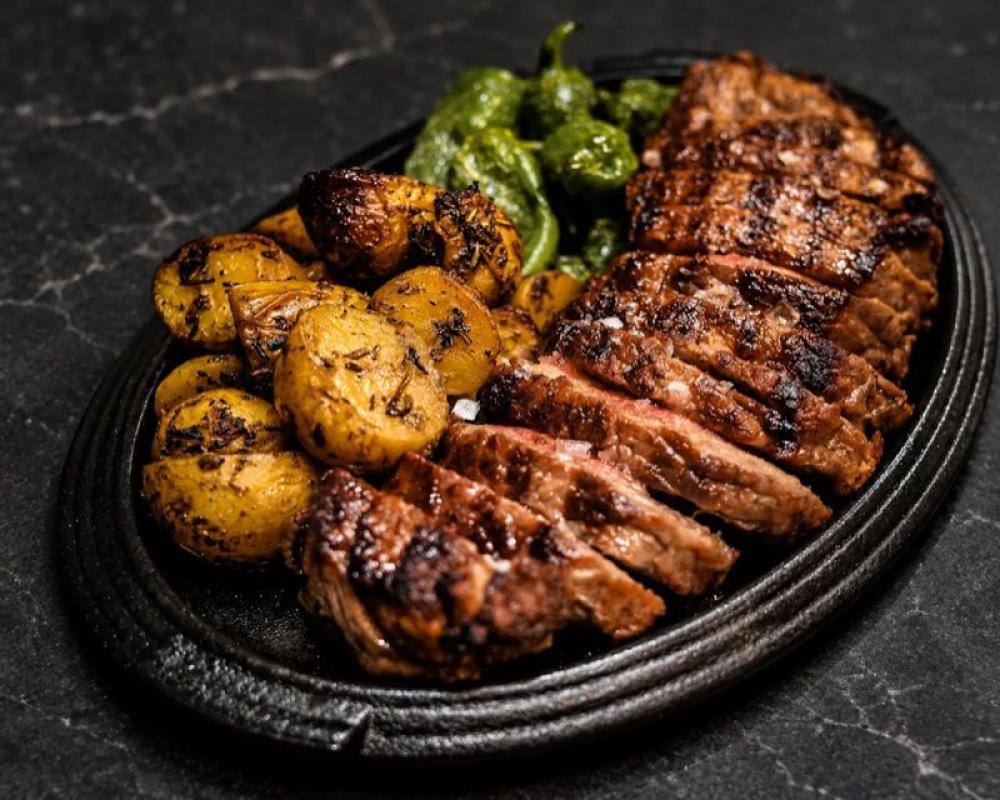
Identify meat fibres before choosing a slicing angle, then cut across the grain for steaks, shawarma and sandwiches.
7 October 2026
الريف للحوم
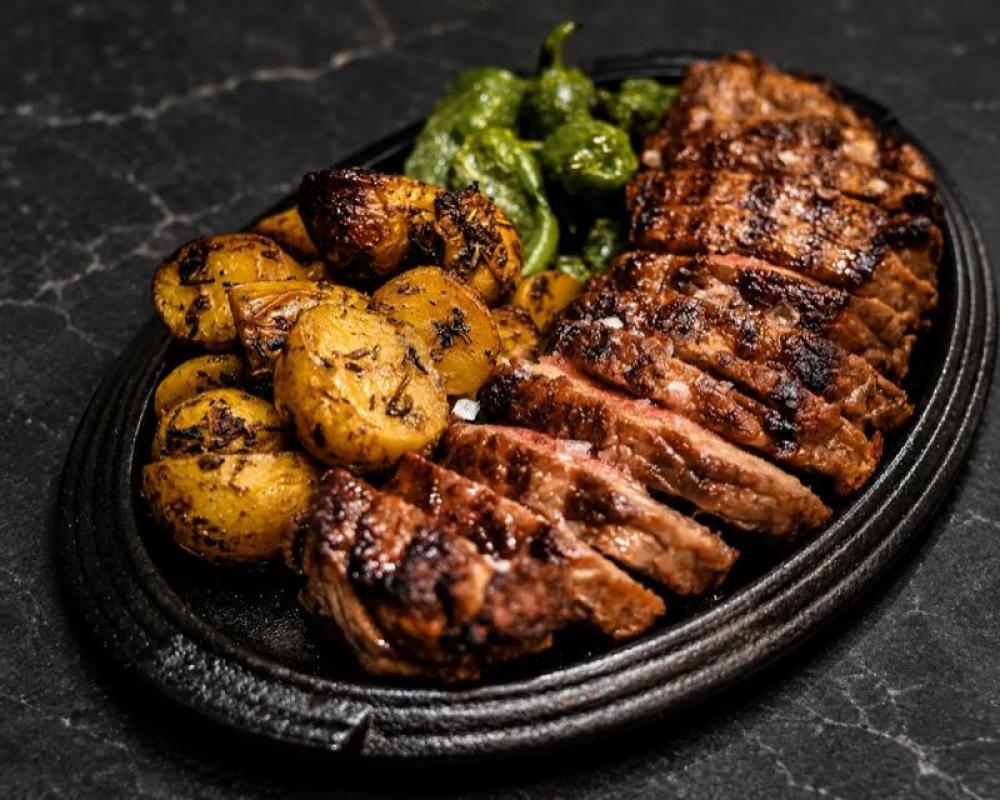
Plan steak rest as part of serving, verify safe temperature first and avoid trapped steam that softens the crust.
7 October 2026
الريف للحوم
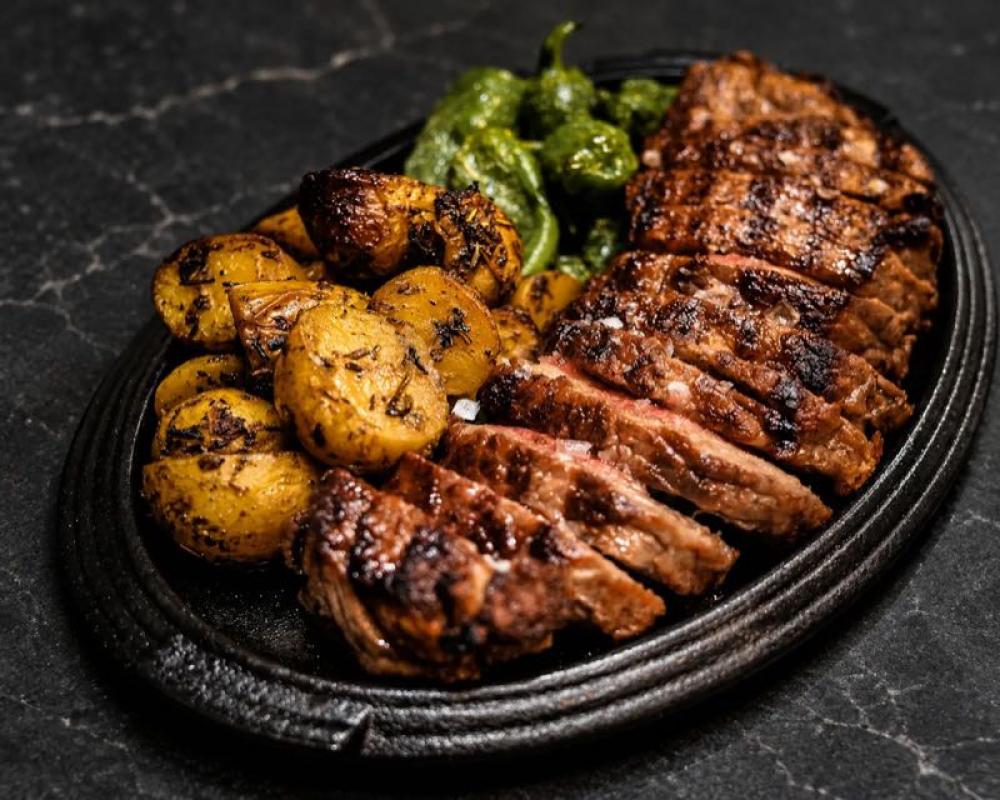
Reverse sear a suitable thick steak using a thermometer, continuous cooking and a brief hot finish before resting.
7 October 2026
الريف للحوم
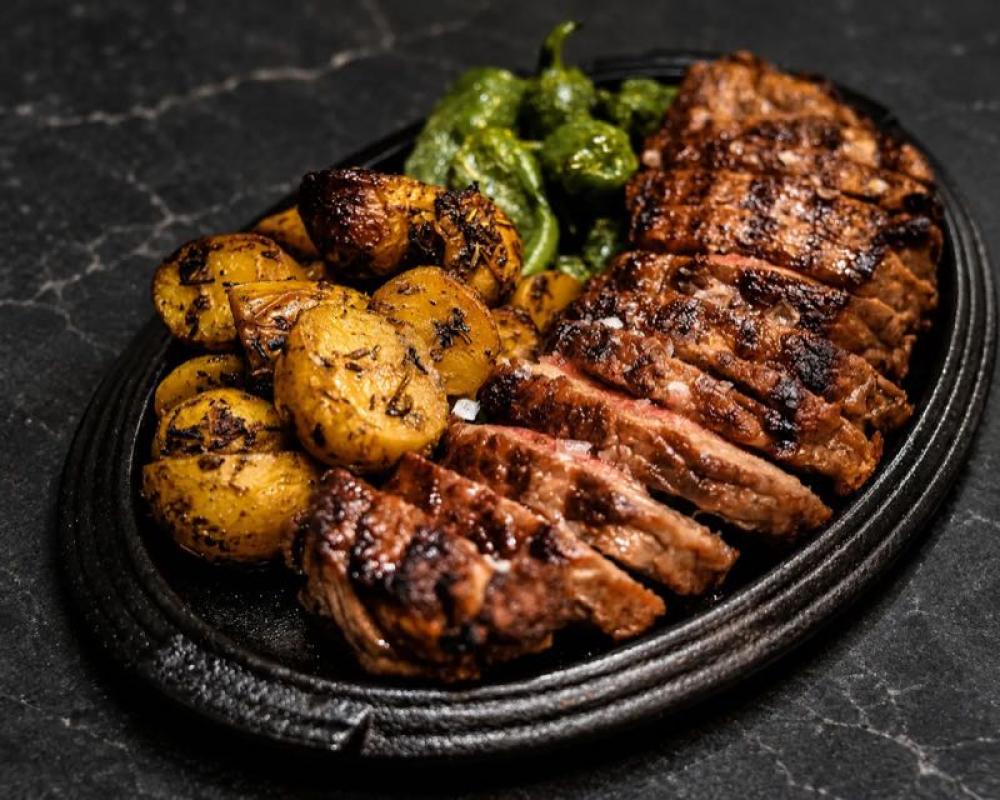
Match steak cooking to thickness, not weight alone, and use centre-temperature checks to decide when it is ready.
7 October 2026
الريف للحوم
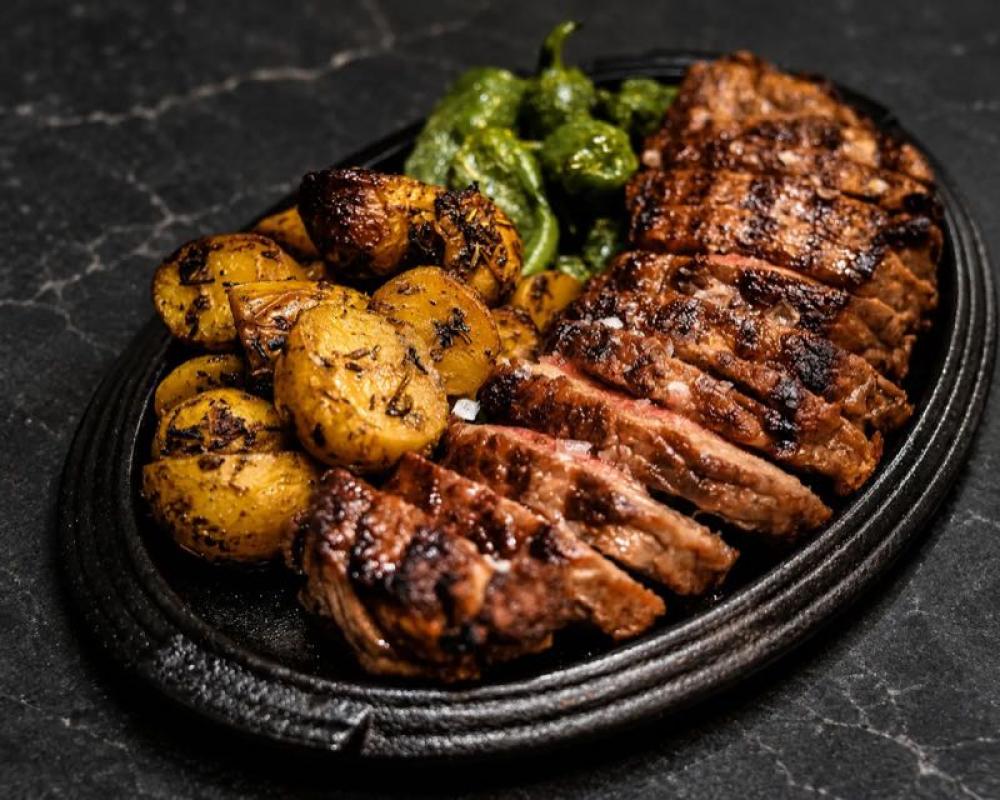
Cook striploin according to thickness, manage its side fat and slice across the grain after temperature checks and rest.
7 October 2026
الريف للحوم
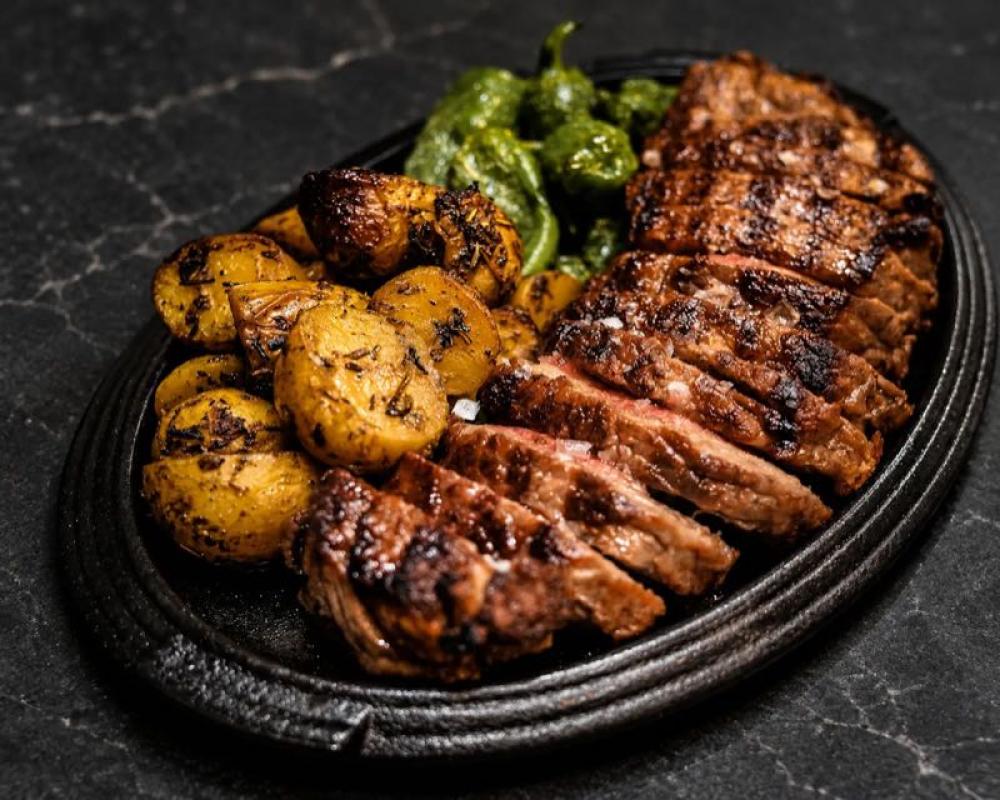
Cook ribeye with a dry surface, controlled browning and a cooler finishing zone, checking thick meat away from fat pocke...
7 October 2026
الريف للحوم
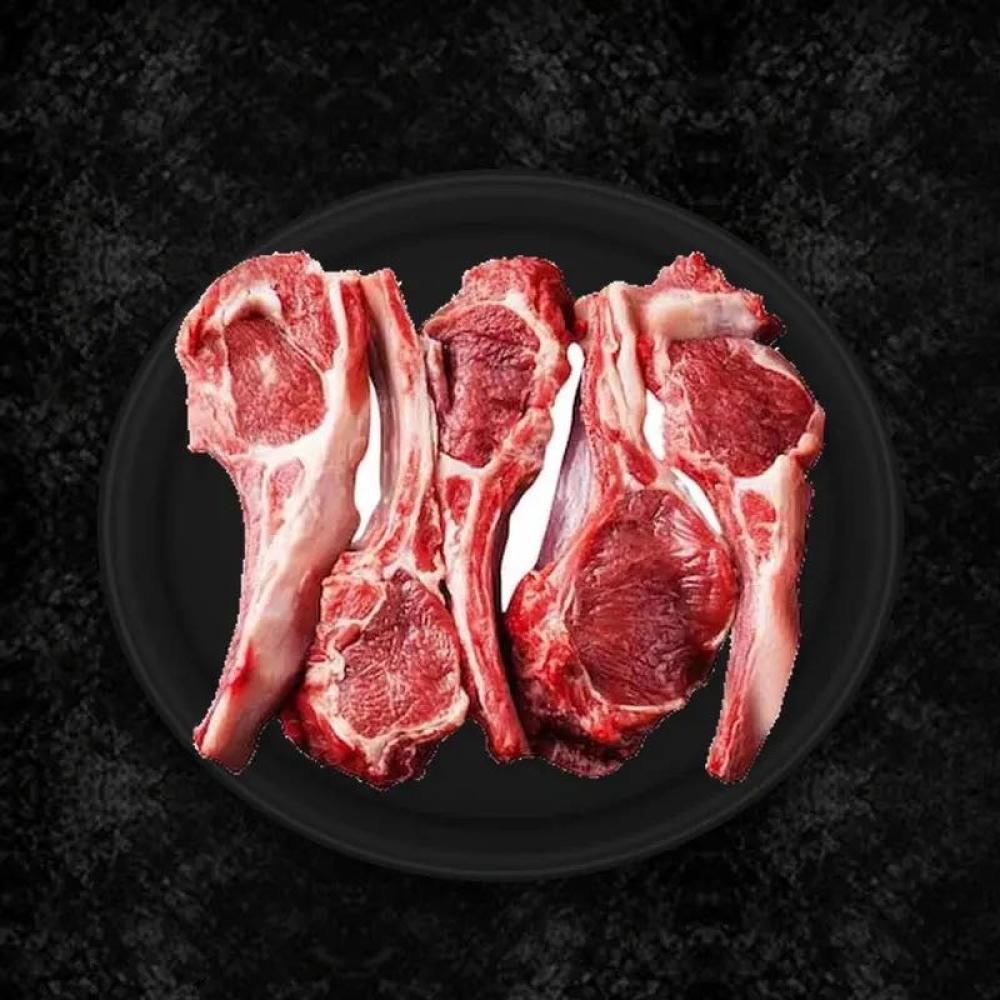
Compare ribeye and striploin by muscle, marbling, thickness and pack weight, then choose a suitable cooking method.
7 October 2026
الريف للحوم
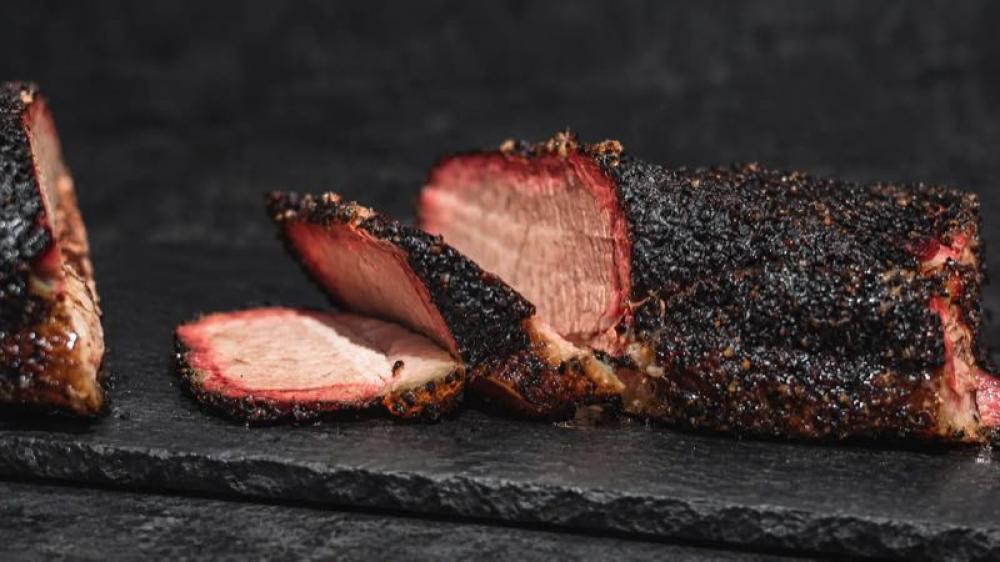
Portion smoked-meat leftovers, refrigerate promptly and reheat thoroughly; home smoking does not make meat shelf-stable.
7 October 2026
الريف للحوم
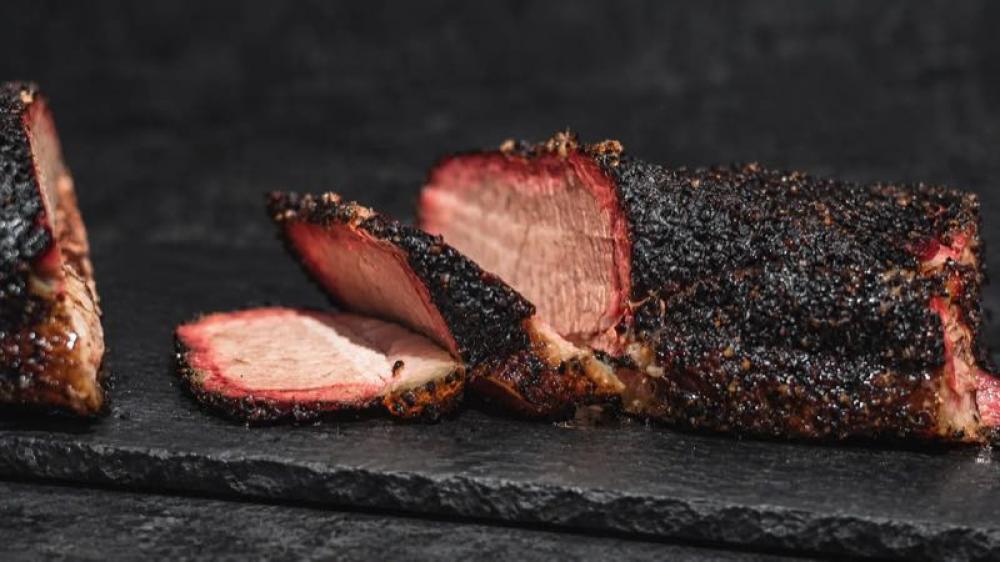
Distinguish smoked-meat bark from a pink smoke ring and judge safety with centre temperature rather than appearance.
7 October 2026
الريف للحوم
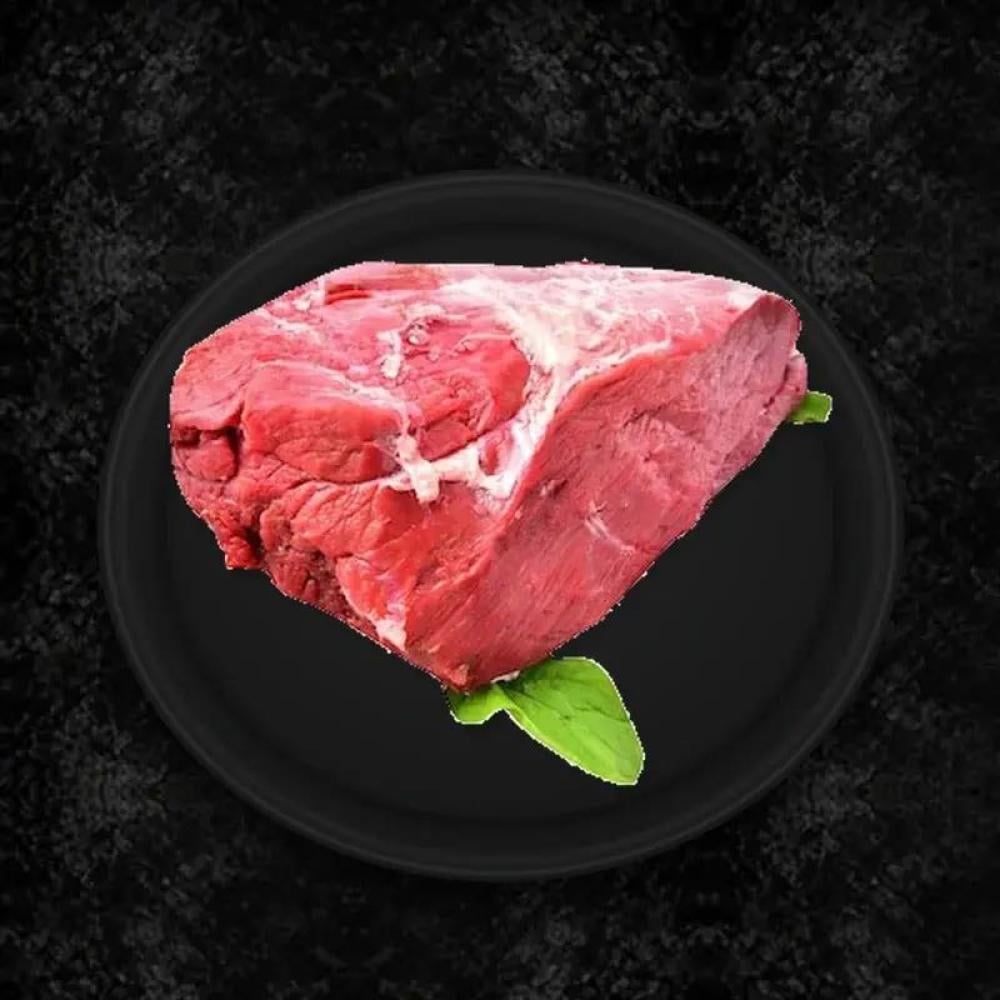
Plan smoked lamb shoulder by cut, equipment capacity and desired texture, maintaining controlled cooking and safe storag...
7 October 2026
الريف للحوم
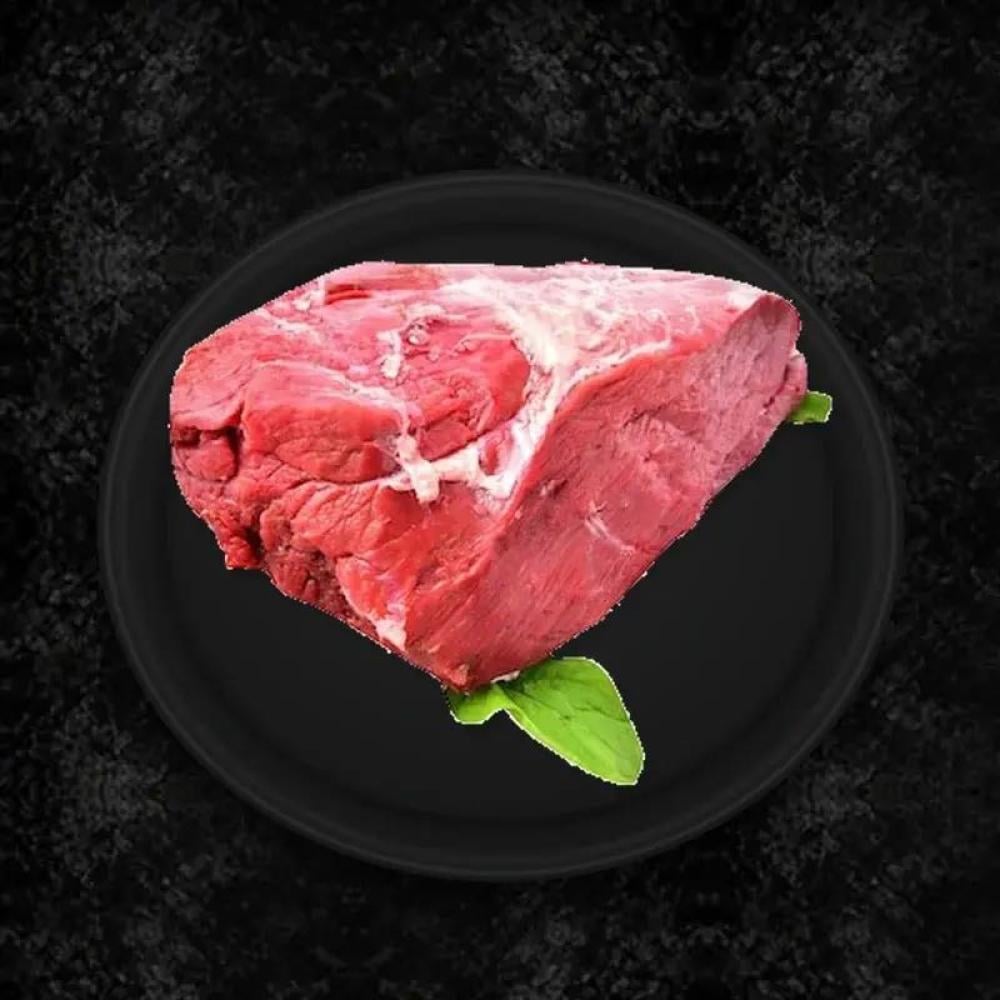
Confirm the beef-rib cut and meat thickness, use a matching smoking recipe and check several thick areas away from bone.
7 October 2026
الريف للحوم
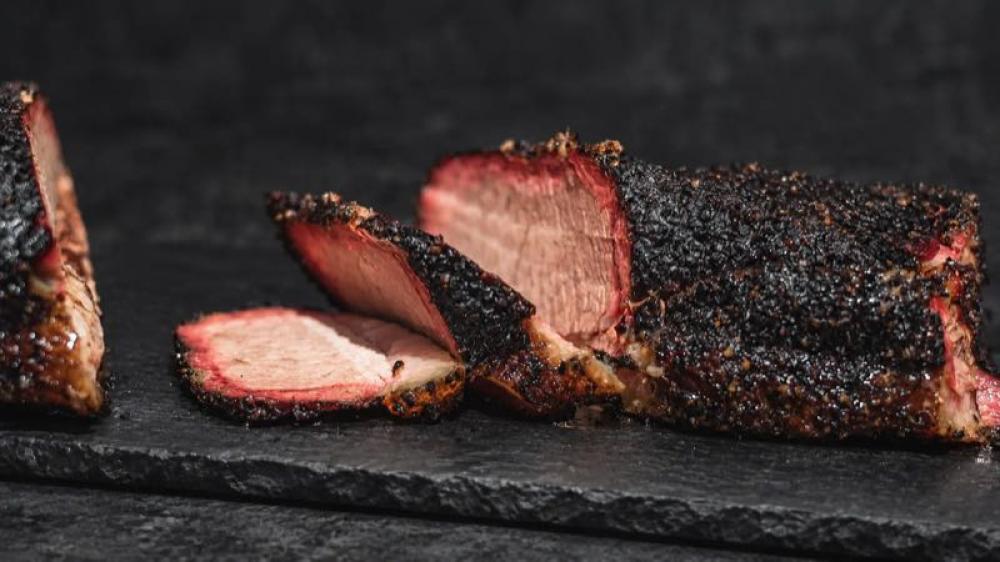
Slice brisket across each section's grain, adjust thickness to texture and cut only the quantity needed for service.
7 October 2026
الريف للحوم
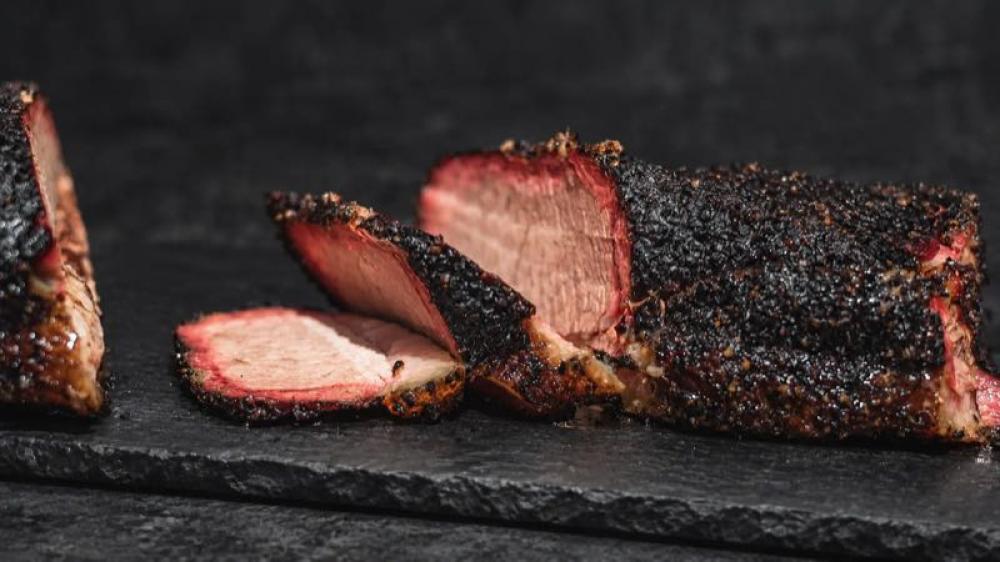
Choose whether to wrap smoked meat by bark, moisture and cooking needs, using suitable paper or foil and continuing chec...
