
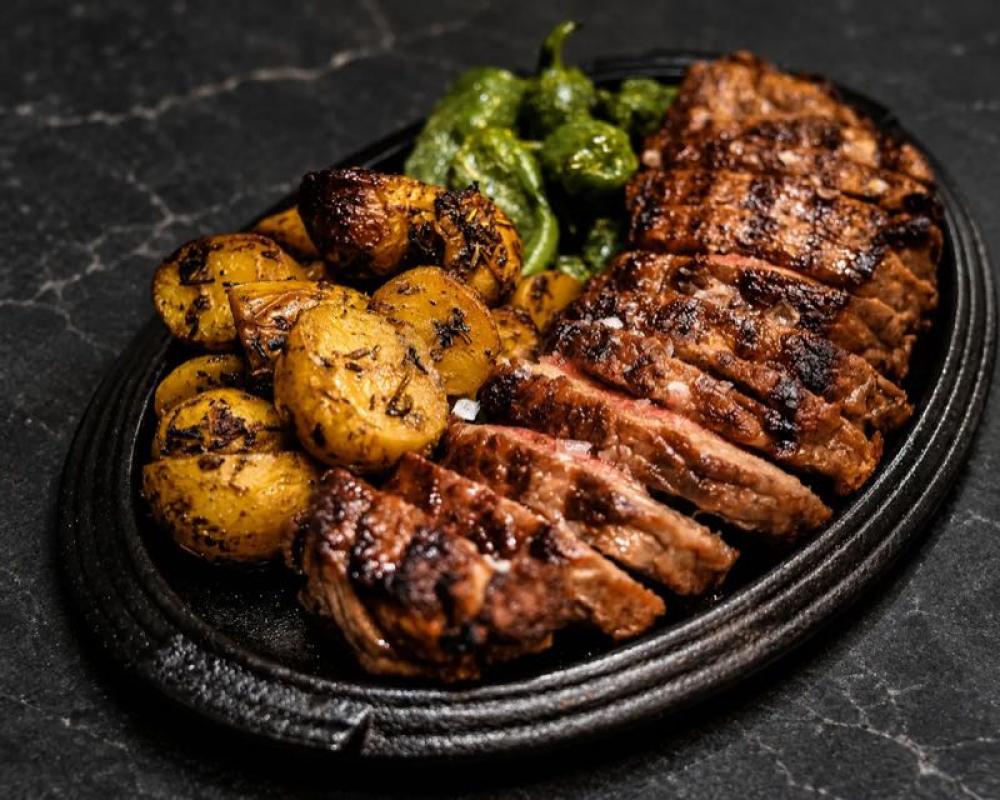
Repeatability matters more than one salting time for every cut. Steak thickness, salt crystal size and existing marinade affect results. Measure salt, record timing and compare flavour and texture after cooking.
Measuring salt by weight
A spoonful of coarse salt does not necessarily weigh the same as fine salt. Use a small scale or keep the salt type constant during trials. Count combined salt from plain salt, soy sauce and prepared blends.
As a flavour trial, start around 7–10 g salt per kilogram of unseasoned meat and adjust next time. This is an optional cooking ratio, not dietary advice, and does not automatically suit pre-salted products or reduced-sodium needs.
Two organised approaches
When short on time, salt immediately before cooking and monitor browning. For advance salting, follow a specific recipe and refrigerate meat on a rack over a tray, separate from ready-to-eat foods. Never leave it on the counter for hours.
Record weight, thickness and salting duration. Changing salt, heat and thickness together obscures what improved results or caused dryness. Compare two pieces as similar as possible.
Surface moisture
Blot excess moisture with a suitable towel before cooking on a hot surface. Do not rinse salted steak unless a specific curing method requires it; washing is unnecessary for ordinary steak and can spread splashes around the sink.
Add pepper and spices according to heat tolerance and use a cooking thermometer. Salt neither sanitises meat nor replaces safe cooking. Check pre-seasoned products before adding more.
Should burgers be salted the same way?
Mixing salt into mince affects structure differently from sprinkling it on a whole cut. Follow a burger-specific recipe and avoid prolonged kneading for a lighter texture.
Related products from ALRAQI MEATS
Ribeye Steaks - 2 Pieces, 500-560 g, or Striploin Steaks - 2 Pieces, 400-460 g. Check the product page for weight, ingredients and cutting options before ordering. Choose a cut suited to the cooking method; a boneless or mixed-meat label alone does not guarantee suitability for quick cooking.
Further guidance
Safe minimum cooking temperatures, Refrigerated food storage.