
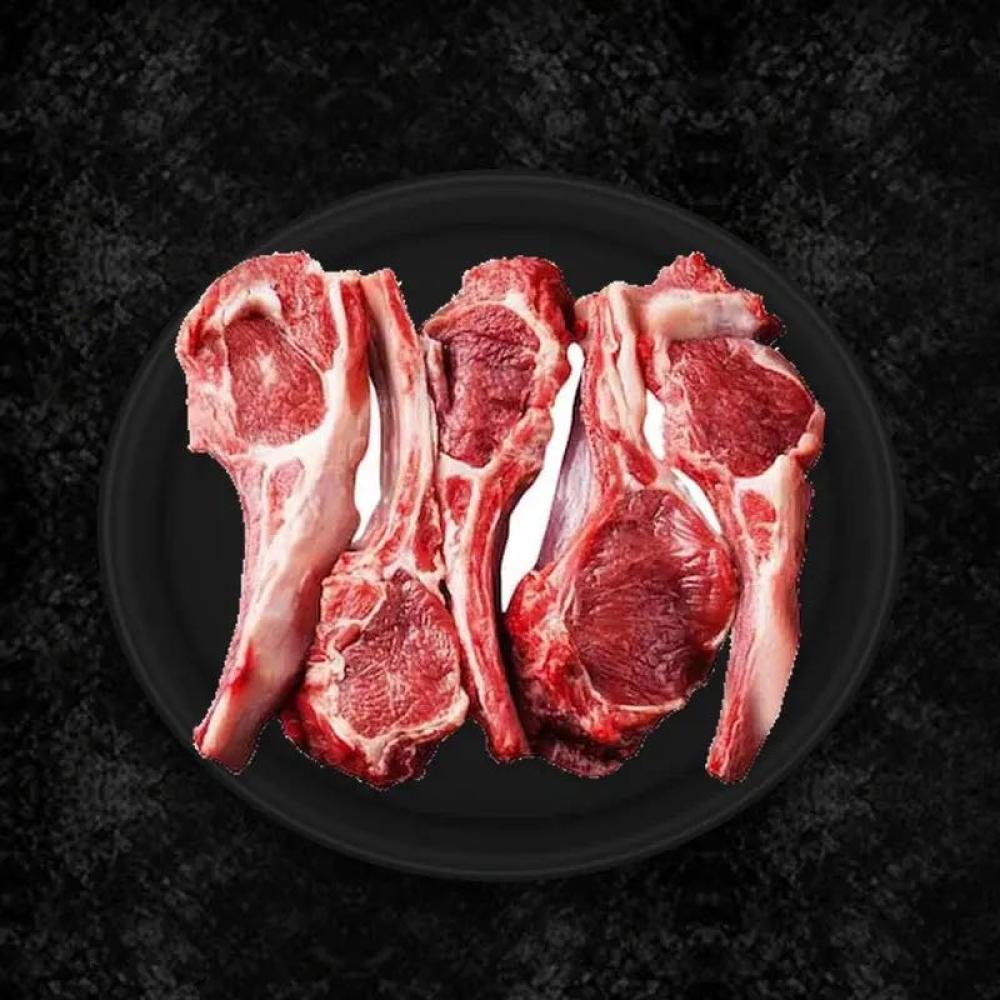
Steak cuts differ in muscle shape, fat distribution and presentation, not just marketing names. Ribeye and striploin can both suit pan or grill cooking. Compare thickness, weight and marbling before deciding.
Cuts and fat distribution
Ribeye comes from the rib area and may show marbling and muscles separated by fat seams. Striploin comes from the short-loin area, usually with a more regular shape and side fat strip. Actual cuts vary; general descriptions cannot replace product details.
Internal marbling differs from a thick external fat layer. Consider presentation and whether some excess will be trimmed. Do not assume an unstated grade, origin or ageing method.
Thickness and weight
Equal-weight steaks can differ in width and thickness. Thin cuts cook faster; thicker ones allow indirect cooking or reverse searing. Ask approximate thickness when the recipe depends on it.
Check piece count and total pack weight instead of assuming it describes each steak. Divide a two-piece pack's total to estimate portions, allowing natural variation between pieces.
Choosing a cooking method
Dry the surface, season moderately and preheat suitable equipment. If the outside browns before the centre finishes, use gentler heat rather than the strongest flame. Measure centrally, away from large fat pockets or bone.
Whole-cut steaks need 63°C with at least three minutes' rest under safety guidance. Follow specific packaging instructions for processed or mechanically tenderised meat rather than assuming it is an intact untreated cut.
Which should a beginner choose?
Choose a clearly described cut with thickness suited to your equipment and budget. Season simply, record weight, temperature and result, and learn its flavour rather than assuming one cut is best for everyone.
Related products from ALRAQI MEATS
Ribeye Steaks - 2 Pieces, 500-560 g, or Striploin Steaks - 2 Pieces, 400-460 g. Check the product page for weight, ingredients and cutting options before ordering. Choose a cut suited to the cooking method; a boneless or mixed-meat label alone does not guarantee suitability for quick cooking.
Further guidance
Safe minimum cooking temperatures, Refrigerated food storage.