
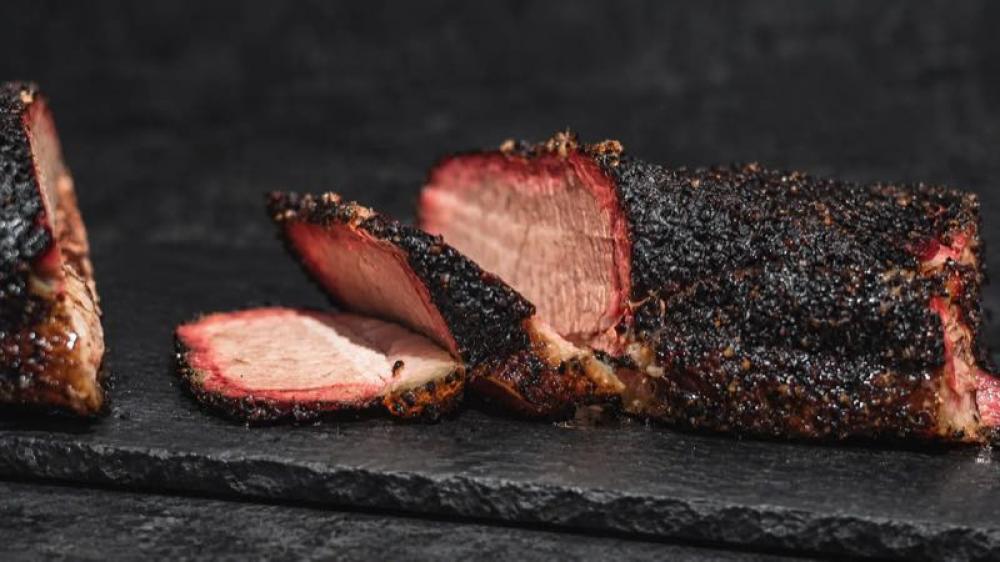
Flat and point are the two parts of a whole beef brisket. Understanding them helps with recipes, probes and slicing. Connected thin and thick portions should not be expected to cook identically.
Differences in shape
The flat is relatively flatter and more regular, often used for neat slices. The point is thicker and generally contains more fat and interwoven tissue. Actual cuts vary, so examine the description and photograph and ask the seller.
A separating layer lies between the parts, whose grain directions may differ. Observe before seasoning and smoking, since dark bark can obscure it. A quick pre-cooking reference photograph may help at slicing time.
One part or the whole brisket?
A smaller flat suits limited space and fewer guests but needs care against dry edges. A whole brisket offers more serving choices with additional time, space and attention to different areas.
The part's name guarantees neither success nor failure. Planning, chamber temperature and probe position matter. Especially initially, use a recipe specific to the form purchased.
Monitoring and serving
For a whole piece, use a probe in each main section where equipment supports it, then verify several positions with an instant-read thermometer. Avoid readings in the fat seam. Monitor meat itself and assess texture near completion.
After appropriate resting, identify and slice across each section's grain. Rotate or separate the parts if needed. Slice the first serving quantity rather than exposing everything early.
Does boneless automatically mean brisket flat?
No. Boneless generally describes absence of bone, not a specific brisket muscle. Links below do not confirm flat or point availability. Obtain confirmation by name before planning the smoke.
Related products from ALRAQI MEATS
Boneless Beef - 3 kg, or Ribeye Steaks - 2 Pieces, 500-560 g. Check the product page for weight, ingredients and cutting options before ordering. Choose a cut suited to the cooking method; a boneless or mixed-meat label alone does not guarantee suitability for quick cooking.
Further guidance
Brisket temperature and the stall — ThermoWorks.