
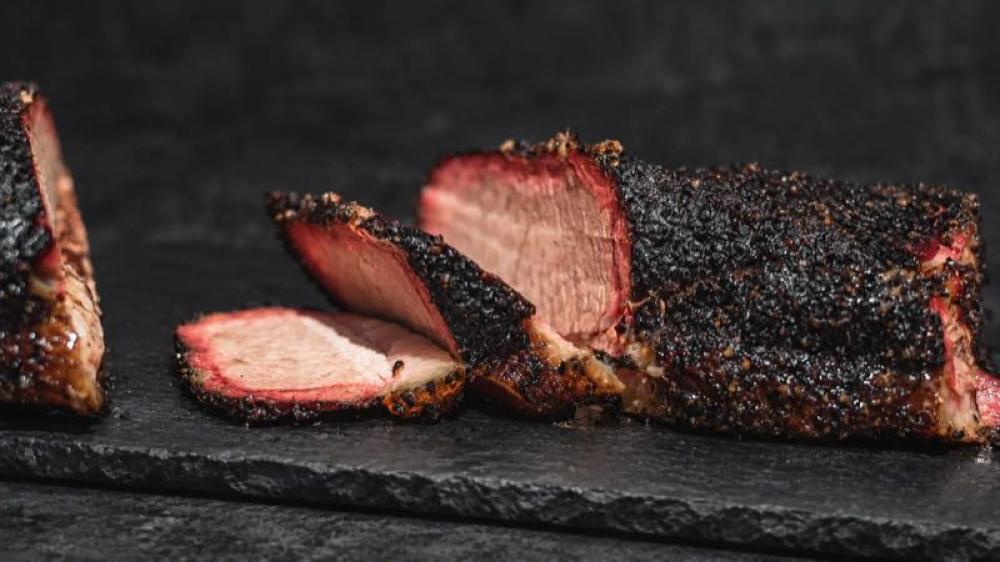
Dry rub distributes surface flavour without much liquid. Prepare a small batch and adjust pepper, paprika or sugar across trials. Keep meat flavour clear rather than burying it under a thick powder coating.
A starting blend
Mix two teaspoons paprika, one teaspoon black pepper, one teaspoon garlic powder, half a teaspoon cumin and half a teaspoon onion powder. Optionally add one teaspoon brown sugar for indirect cooking or late application. Keep salt separate to match each meat weight.
This is a suggested blend, not a standard for every grilled meat. Salt and pepper may suffice for steak. Test whether already-seasoned kebab needs extra powder before applying it.
Applying the rub
Blot excess moisture and sprinkle lightly and evenly, leaving the meat surface visible. If a binder is needed, use a little oil or another suitable ingredient, accounting for any salt it contains.
Weigh the amount or record it using consistent spoons. Assessing cooked results rebeefs excess pepper or insufficient salt. Unrecorded new mixtures make successful results harder to repeat.
Heat and storage
Sugar-containing rubs need care over strong direct heat. Move early-darkening meat to a cooler zone instead of adding spices to hide it. Fresh sauce cannot repair burnt seasoning.
Store untouched rub in a dry, airtight container away from moisture and heat. Portion into a small dish before handling meat; keep contaminated fingers and spoons out of the main jar.
Can the blend be used for shawarma?
It can inspire seasoning, but shawarma's flavour balance and texture differ from barbecue crust. Test a small quantity of strips instead of applying a heavy sugary rub to all the meat.
Related products from ALRAQI MEATS
Boneless Beef Cubes - 1 kg, or Ribeye Steaks - 2 Pieces, 500-560 g. Check the product page for weight, ingredients and cutting options before ordering. Choose a cut suited to the cooking method; a boneless or mixed-meat label alone does not guarantee suitability for quick cooking.